Map the line and the load on it
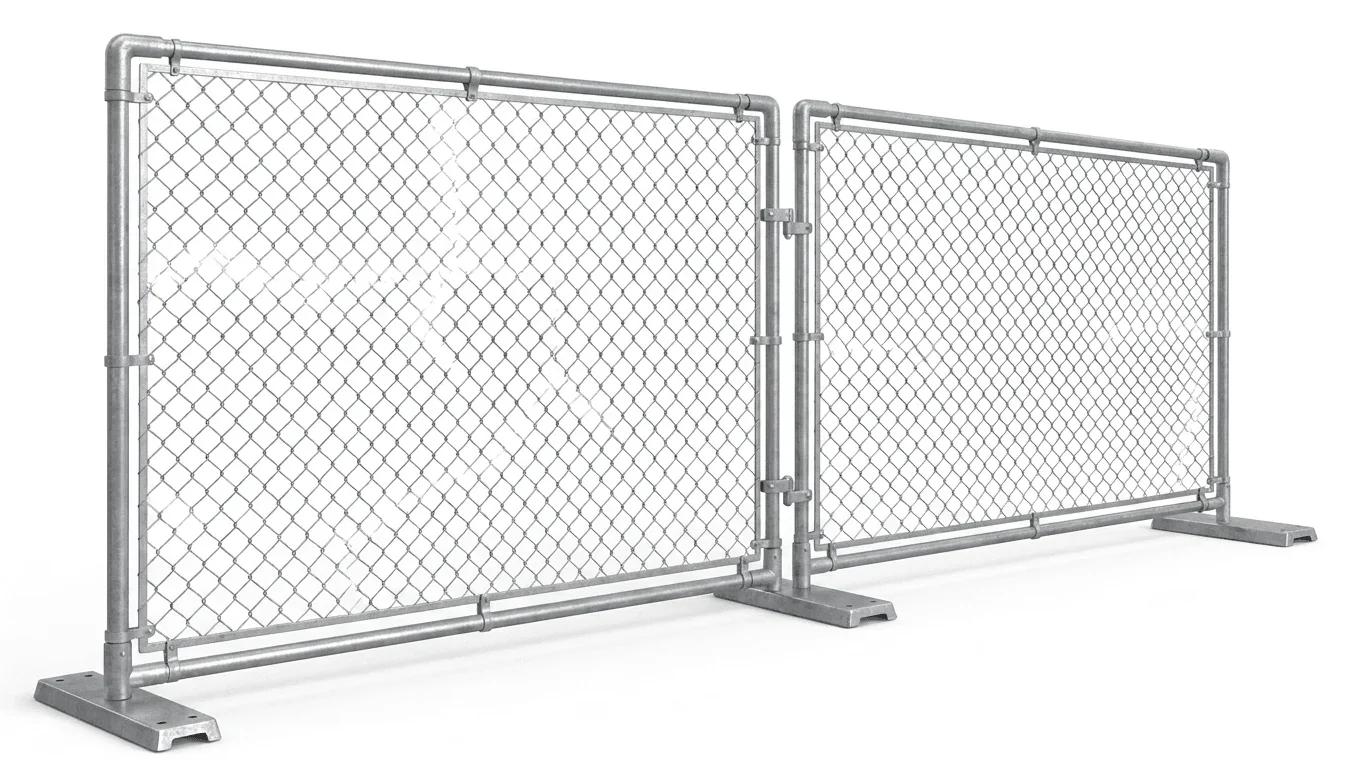
Identify where fencing or barricades must sit relative to streets, alleys, and building faces. On flat valley floors, long straight runs may be possible; near steeper approaches, short panel sections may track grade better. Consider: - Corner radii around utility poles and dock aprons - Clearance for lift and delivery routes - Gate placements that match shift changes or scheduled material drops
Surface, season, and exposure
Freeze–thaw cycles, snowfall, and plow paths shape fence stability and gate function. Soft ground after winter storms can change how bases bear load. In gusty corridors between large buildings, panel bracing and layout become more critical. Confirm where snow piles, how drainage flows, and whether barricades need to channel pedestrians away from façade work.
Working beside aerial equipment
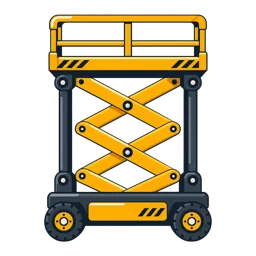
Fencing often defines the buffer around scissor lifts and booms during exterior maintenance or adaptive-reuse work. Establish setbacks to keep lift swing paths clear and maintain sightlines at gate openings. For interior phases, lightweight barricades may mark lift aisles while tasks move onto electric scissor lifts or vertical mast lifts. For uneven exterior ground or graded lots, planning may involve rough-terrain scissor lifts or boom lifts.
For exterior or elevated work, actual site conditions, the selected unit’s instructions, and site procedures govern spacing and placement.
Access timing and nearby communities
Busy yards and mixed-use blocks in and around Reading’s neighboring communities can compress delivery windows. Measure curbside lengths for staging, verify turning space at gates, and align gate locations with the site’s heaviest travel times to reduce conflicts.